

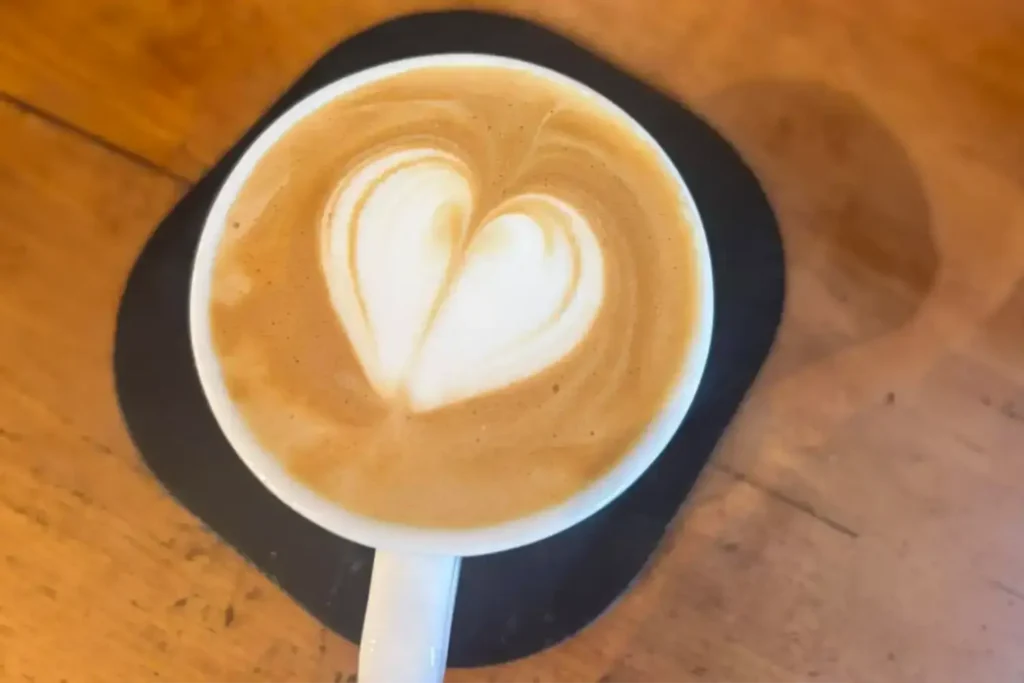
A proper Devon cream tea is all about freshly baked scones, Devon clotted cream, fruit jam and a good cup of tea. At Holne Tearoom in Holne, Dartmoor, visitors can enjoy this traditional experience alongside homemade food and a dedicated gluten-free kitchen.
But there is one question that always starts the debate: does the cream go on first, or the jam? The jam-or-cream question has divided households, tearooms and social media threads for years.
What Goes Into a Traditional Devon Cream Tea?
A traditional Devon cream tea is not complicated, but it relies on good components. Freshly baked scone. Thick clotted cream. Fruit jam. A pot of tea. The setting matters too: a quiet table, a view of Dartmoor, enough time to linger. Some tearooms add a small dish of butter or a second pot of hot water. Others keep it minimal. The quality of each element matters more than the number of extras.
The Devon Way: Cream First
In Devon, the traditional order is clotted cream first, then jam. This is the simplest way to separate a Devon cream tea from the Cornish version. If you see someone spreading jam directly onto the scone and balancing cream on top, that is the Cornish habit. In Devon, the cream is not an afterthought; it is the base layer.
Devon cream tea etiquette is simple: cream first, jam second. Some people take this seriously. Others simply reach for the scone.
Why Does Devon Put the Cream First?
The cream-first tradition is tied to Devon’s long relationship with dairy farming. Clotted cream has been made in the county for centuries. Because the cream was so thick and rich, cooks treated it more like butter. Spreading it first felt natural. Jam then became the sweet, glossy finish rather than the foundation.
For visitors exploring Dartmoor and Devon, a cream tea can be more than a snack. It can become part of the wider countryside experience, particularly after a walk or during a day exploring local villages.
The Local Devon Connection
Holne Tearoom sits in Holne, close to the open moor. For visitors, this is part of the appeal. A cream tea in Devon is rarely an isolated event. It usually comes after a walk, a drive through narrow lanes, or a morning spent in a Dartmoor village.
Specific nearby villages, named walking routes and local attractions should be confirmed with the business before publication. The same applies to any Devon suppliers Holne Tearoom may feature on its menu. For now, confirmed nearby villages/towns are Holne, Ashburton and Buckfastleigh; local walking routes are Holne Moor, Venford Reservoir, Bench Tor, Holne Woods and the River Dart paths, and the Two Moors Way; local attractions include Dartmoor and Venford Reservoir;
Cream First or Jam First?
The Devon method follows a specific sequence. First, the scone is split in half. Each half gets a substantial spread of clotted cream, not a thin scrape. The jam is spooned over the cream, allowing it to sit on top rather than soak into the crumb. Finally, the whole thing is eaten with a cup of freshly brewed tea.
The Cornish method reverses the order: jam first, cream second. Neither approach is objectively wrong. No one really loses this argument. The scone disappears either way.
What Makes a Great Cream Tea?
A memorable Devon cream tea depends on three or four things done well. The scones need to be fresh and light, not dry or crumbly. Clotted cream should be thick enough to hold its shape but soft enough to spread. Jam should taste of fruit rather than sugar. And the tea should be properly brewed, served hot, and poured at the table.
At Holne Tearoom, the emphasis on homemade food extends to the scones and cakes. You can view the menu to see what is currently being baked.
Why Enjoy a Cream Tea in Dartmoor?
A cream tea fits naturally into a day on Dartmoor. After walking across open moorland or exploring villages, sitting down to warm scones and clotted cream feels earned. Holne Tearoom is a convenient stop for walkers, families and anyone travelling through the area. It combines the familiar comfort of a cream tea with a kitchen that pays close attention to dietary requirements.
For those planning a longer visit, a Dartmoor day trip works well with a stop at the tearoom.
What Makes Holne Tearoom Different?
Holne Tearoom stands out for operating a fully gluten-free kitchen. That is not a minor detail. For anyone who needs to avoid gluten, a traditional cream tea can otherwise require more planning. Here, the scones, cakes and lunches are prepared without gluten, which means visitors can order without having to negotiate the menu.
This makes it a particularly useful choice for visitors who want to enjoy a traditional cream tea while avoiding gluten.
A Gluten-Free Cream Tea
For visitors looking for a gluten-free cream tea in Devon, the experience can still include the familiar combination of freshly baked scones, clotted cream and jam. However, the exact gluten-free options available at Holne Tearoom should be checked before your visit, as menus and dietary choices can change.
If gluten-free options are available, it is worth asking the team about the ingredients used and how the items are prepared. This gives visitors a clearer idea of what they can enjoy alongside the traditional cream tea experience.
For anyone with coeliac disease or a serious food allergy, it is particularly important to discuss dietary requirements with the tearoom in advance. This allows the team to explain the current menu and any relevant allergen information before you arrive.
Practical Information Before Your Visit
A visit to Holne Tearoom is easy to fit into a day exploring Dartmoor, whether you are stopping for a cream tea or enjoying something from the wider menu. The tearoom is at Holne Cross, Newton Abbot, Devon TQ13 7SL, making it a convenient stop for visitors exploring the surrounding area.
The tearoom is open from
10:00 to 16:30 on Monday, Wednesday, Thursday and Saturday, with later opening on Friday from 10:00 to 19:00. On Sunday, it is open from 10:00 to 16:00, while Tuesday is the weekly closing day.
If you are visiting specifically for a cream tea or have dietary requirements, it is worth checking the current menu with the team before travelling. This is especially useful for visitors looking for gluten-free choices, as available options and preparation details may vary.
Plan Your Visit to Holne Tearoom
Whether you are exploring Dartmoor, meeting friends or looking for a traditional Devon treat, a cream tea makes a relaxed addition to the day. You can book a table or contact Holne Tearoom with any questions.
Final Answer
So, what makes a proper Devon cream tea? Fresh scones, clotted cream, jam, tea, and traditionally, cream first. The order may be debated, but the pleasure is rarely in question. At Holne Tearoom, the ritual is kept simple and done properly, with the added reassurance of a fully gluten-free kitchen.
Frequently Asked Questions
What goes first, cream or jam?
Traditionally, clotted cream goes onto the scone first, followed by jam. This is the usual Devon method, while the Cornish tradition reverses the order.
What is usually served with a cream tea?
A traditional cream tea usually includes freshly baked scones, clotted cream, fruit jam and tea. The exact selection can vary between tearooms.
What is the difference between the Devon and Cornish traditions?
The main difference is the order of the toppings. Devonians traditionally put the cream on first, while Cornwallians put the jam on first.
Do I need to book a table at Holne Tearoom?
If you are planning to visit specifically for afternoon tea or have particular dietary requirements, contacting the tearoom in advance is advisable. This allows you to check current availability and menu options before travelling.
Why is clotted cream important to the traditional experience?
Clotted cream is one of the defining parts of a traditional cream tea. Its thick, rich texture works particularly well with a freshly baked scone and fruit jam. faq Schema give me a Keywords Please